Assisted Living vs. Independent Living vs. Nursing Homes: Decoding Senior Care Options
Business Name: BeeHive Homes of Santa Fe NM
Address: 3838 Thomas Rd, Santa Fe, NM 87507
Phone: (505) 591-7021
BeeHive Homes of Santa Fe NM
BeeHive Homes of Santa Fe NM is a premier Santa Fe Assisted Living facilities and the perfect transition from an independent living facility or environment. Our Alzheimer care in Santa Fe, NM is designed to be smaller to create a more intimate atmosphere and to provide a family feel while our residents experience exceptional quality care. We promote memory care assisted living with caregivers who are here to help. Memory care assisted living is one of the most specialized types of senior living facilities you'll find. Dementia care assisted living in Santa Fe NM offers catered memory care services, attention and medication management, often in a secure dementia assisted living in Santa Fe or nursing home setting.
3838 Thomas Rd, Santa Fe, NM 87507
Business Hours
Families rarely start researching senior care on a calm Tuesday with lots of time to believe. Regularly, the search starts after a fall, a hospitalization, or a slow awareness that every day life is becoming harder than it needs to be. The terms sound comparable, the pamphlets all look assuring, yet the distinctions between assisted living, independent living, nursing homes, and even respite care are significant and can impact security, expense, dignity, and quality of life.
I have actually sat with households around kitchen tables where brother or sisters argued over what "independence" actually implied for their father. I have viewed residents flourish when transferred to the right level of care a couple of months earlier than they desired. I have actually also seen the damage when someone stays in the wrong setting simply because no one wished to have a tough conversation.
This guide is indicated to help you decipher the options, comprehend the real trade‑offs, and acknowledge when each type of senior care makes sense.
Starting with the individual, not the building
Before you compare structure types, begin with the actual person: their routines, health conditions, character, and preferences. The exact same structure can be a perfect suitable for one person and an unpleasant inequality for another.
Three concerns guide most great decisions in elderly care:
- What does a common day look like now, and where are the pain points or safety risks?
- What medical or cognitive conditions exist today, and how stable are they?
- How most likely is change in the next one to 3 years, and how quick could things deteriorate?
A proud, highly social 80‑year‑old with arthritis who handles medications well is a different case than a 78‑year‑old with mild dementia who lives alone and in some cases forgets the range. Both may say, "I'm great in your home," however their risk profiles are not the same.
Only when you have a clear picture of the individual does the terms of independent living, assisted living, and nursing homes end up being useful.
Independent living: liberty with a security net
Independent living communities are developed for older grownups who can handle most or all activities of daily living on their own, but who desire less home maintenance and more social contact. They frequently appear like apartment building, condominiums, or homes clustered around shared dining and activity spaces.
Typical functions consist of housekeeping, one or two daily meals in a communal dining room, transportation to consultations, and a busy calendar of social events and getaways. Staff might exist around the clock, but mainly for hospitality, not hands‑on care.
Independent living fits finest when an individual:
- Can bathe, dress, toilet, and move independently or with very little assistive devices
- Manages medications without routine reminders
- Has steady persistent conditions (for example, well‑controlled diabetes or high blood pressure)
- Is cognitively undamaged or only mildly impaired without hazardous behaviors
- Feels separated or overwhelmed by home maintenance however not unsafe alone
The trade‑off is that independent living supplies minimal direct care. Some neighborhoods offer add‑on services through home care firms that can help with bathing or medications in the resident's apartment or condo. These can bridge the gap when requirements are light but increasing.
I as soon as dealt with a retired teacher who moved to independent living after her other half died. She was physically capable however lonesome and fed up with keeping a large home. Within months, her blood pressure improved and her medication adherence stabilized, not due to the fact that the structure provided treatment, however due to the fact that she ate better, walked more with pals, and felt engaged again. For her, the "care" came indirectly through lifestyle changes.
However, I have likewise seen families put a parent with progressing dementia in independent living due to the fact that the parent refused any "care" label. Within weeks there were reports of roaming, misplaced medications, and kitchen area incidents. Staff were polite however clear: independent living was not developed or accredited to deal with that level of risk. A 2nd relocation ended up being inescapable, this time with even more distress.
Assisted living: assistance with daily life, social structure, and some supervision
Assisted living sits in the middle of the care spectrum. Residents live in personal or semi‑private apartments however receive help with everyday jobs and routine oversight from care staff. The goal is to protect as much self-reliance as possible while reducing danger and burden.
Assisted living is proper when somebody:
- Needs aid with one or more activities of daily living such as bathing, dressing, grooming, or toileting
- Requires medication reminders or management
- Has mobility challenges and is at greater danger of falls
- Shows moderate to moderate cognitive modifications, however not hazardous behaviors that need 24‑hour nursing care
- Benefits from having staff frequently sign in, however does not require constant one‑on‑one supervision
Daily life in assisted living normally includes 3 meals, housekeeping, laundry, social activities, and set up transportation. The care team develops a plan describing what aid is required and how often. Some citizens just get morning and night support, while others require help throughout the day.
From an expert's point of view, the quality of an assisted living community is less about the chandelier in the lobby and more about three functional information:
- Staffing ratios and stability. High turnover typically indicates much deeper problems.
- How promptly staff respond to call buttons and requests.
- How the neighborhood manages changes in condition, such as a resident who starts falling or ends up being more confused.
I remember a resident in assisted living who at first only required assist with showers twice a week and suggestions for evening medications. Over two years, arthritis worsened and she started to require daily dressing help and a walker. Because the assisted living team monitored her routinely, they adjusted her care strategy gradually instead of waiting for a crisis. She stayed in that very same apartment or condo for four years before a substantial stroke required nursing home care.
Families sometimes assume assisted living is a medical environment. It is not. Many assisted living facilities are not equipped to manage feeding tubes, complex injury care, or unsteady medical conditions. Their licenses and staffing designs concentrate on everyday living assistance, not hospital‑level care.
Nursing homes: treatment and extensive support
Nursing homes, likewise called skilled nursing centers, supply the highest level of care outside of a health center. They are appropriate for people who need 24‑hour nursing supervision, complex medical treatments, or extensive assistance with virtually all everyday activities.
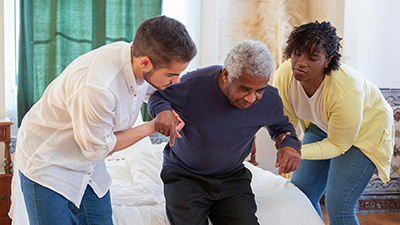
Residents in nursing homes may be recovering from major surgical treatment, strokes, or serious infections. Others have actually advanced persistent conditions, such as heart failure or late‑stage dementia, that make living in a less supervised environment unsafe.
Nursing homes vary from assisted living and independent living in a number of essential ways:
- They needs to have accredited nurses on duty around the clock.
- They offer experienced services, such as IV medications, injury care, post‑surgical rehab, and complex medication regimens.
- They typically coordinate closely with doctors, therapists, and hospitals.
- The environment feels more medical, with shared spaces more common and personal privacy in some cases compromised.
Some people stay in nursing homes only short‑term for rehab after a hospital stay. Others live there long‑term because their needs can not be securely met elsewhere. It is not unusual for somebody to move from home to the healthcare facility after a crisis, then to a nursing home for rehab, and ultimately to assisted living once they stabilize.
Families typically struggle mentally with the idea of a nursing home, envisioning only the worst centers they have heard about. The truth is varied. I have actually seen thoughtful, well‑staffed nursing homes where homeowners and households felt supported and heard, and others where extended staffing made standard jobs feel rushed. Due diligence matters.
Where respite care fits in
Respite care describes short‑term stays or services designed to provide household caretakers a break. It can take many forms: a weekend in assisted living, a few weeks in a nursing home for rehab and supervision, or daily visits to an adult day program.
This kind of senior care is frequently underused because families feel guilty or believe they ought to "handle" on their own. In practice, respite care can avoid burnout, lower hospitalizations, and extend the amount of time a person can securely stay at home.
Common factors families utilize respite care consist of caregiver fatigue, a prepared surgery or trip for the main caregiver, or a trial duration to see how a loved one gets used to a new environment. Many assisted living and nursing home neighborhoods offer supplied respite rooms so somebody can remain anywhere from a couple of days to a number of months.
I as soon as worked with a daughter taking care of her mother with advancing dementia in your home. She resisted respite, insisting she might deal with everything, till she landed in the hospital with pneumonia. Her mother moved into a respite bed in assisted living while the daughter recovered. Both ended up benefiting. The child recognized just how much 24‑hour caregiving had taken from her, and her mother took pleasure in the structured activities and social contact. After a 2nd planned respite stay, the family chose to make assisted living permanent.
Respite care can also be part of prepared shifts. An individual might start with brief stays in assisted living, get comfy with staff and routines, and ultimately move in full‑time when home life becomes too difficult.
Side by‑side contrast: what actually alters from one level to the next
Families typically desire an easy way to compare alternatives without checking out lots of pamphlets. The following table lays out normal differences, but remember that regional policies and community policies can move the details.
|Element|Independent living|Assisted living|Nursing home|| ------------------------------|------------------------------------------|---------------------------------------------------|-----------------------------------------------|| Main focus|Lifestyle, socializing, benefit|Daily living assistance, supervision, social life|Medical care, rehab, intricate assistance|| Care staff on website|Limited, often non‑medical|Care aides, medication techs, some nurse oversight|Nurses and assistants 24/7|| Aid with ADLs|Rare or through external home care|Yes, based upon care strategy|Extensive, normally with many ADLs|| Medication management|Resident self‑manages or external help|Personnel manage or monitor|Staff manage almost entirely|| Medical intricacy dealt with|Low|Low to moderate|Moderate to high, intricate conditions|| Normal resident profile|Independent, socially active|Needs some physical or cognitive support|Frail, medically intricate, or advanced dementia|| Length of stay pattern|A number of years, may move when needs grow|Numerous years, may transition to nursing home|Short‑term rehab or long‑term high‑need care|
The secret is to match existing and near‑future needs to the ideal column. Somebody with slowly progressive Parkinson's may begin in independent living, relocate to assisted living as movement and care requirements increase, and later need a nursing home if swallowing or breathing problems arise.
Costs, contracts, and surprise financial traps
The financial side of elderly care is frequently more complicated than the care itself. The very same monthly charge can mean very various things depending upon what is included.
Independent living usually charges month-to-month rent plus optional services. Meals, housekeeping, and fundamental transportation are normally consisted of, while additional help, if available, expenses more. Health insurance rarely spends for independent living since it is not categorized as medical care.
Assisted living usually involves a base rate covering housing, meals, and basic services, plus a care cost based upon the level of support needed. That care fee can rise as requirements increase. Families sometimes pick a setting that is budget friendly at the lowest care level but battle when the care plan is updated and regular monthly expenses dive. Long‑term care insurance coverage might assist if the policy covers assisted living and specific criteria are met.
Nursing homes have a different model. Short‑term rehabilitation after hospitalization may be partially or totally covered by public or personal insurance coverage under specific conditions, usually for a limited variety of days. Long‑term custodial care is typically paid of pocket until a person qualifies for need‑based public coverage. Financial guidelines can be complex, and missteps in preparing for nursing home care can have long‑term effects for a partner still living at home.
Whenever households tour neighborhoods, I motivate them to ask one simple but revealing concern: "Show me 3 real examples, with names removed, of how your rates altered over time for citizens whose care needs increased." Neighborhoods that can stroll you through sample histories generally have a more transparent approach.
Safety, autonomy, and self-respect: the three‑way balancing act
Every senior care setting comes to grips with the same triangle: security, autonomy, and dignity. You can press hard in one instructions, but the other corners move.
Independent living prefers autonomy and dignity. Citizens lock their own doors, manage their own regimens, and decline activities they do not delight in. That flexibility comes with more threat. Someone may fall in their apartment or condo and not be discovered best away.
Nursing homes lean greatly into safety. Bed alarms, regular checks, and structured regimens lower risk but can feel restrictive. For some citizens, that level of oversight is not just proper but needed. For others, it may feel like excessive control.
Assisted living tries to being in the middle, which leads to numerous nuanced decisions. Should a resident who likes strolling outdoors be permitted to go out alone if they often forget their way back, or should staff demand an escort? There is no single right answer. Families, locals, and staff must negotiate these choices based upon risk tolerance, legal requirements, and quality of life.
I typically tell families that outright security is neither reasonable nor humane. The objective is "reasonable security" lined up with the person's worths. A former farmer who spent his life outdoors might truly choose a small threat of falling on a garden path to perfect safety in a reclining chair. Listening to his story matters.
When to consider a modification in level of care
Most families delay shifts longer than is perfect. They hope things will support or improve. Sometimes they do, but persistent conditions normally advance. Early, thoughtful relocations often produce better outcomes than emergency situation relocations after a crisis.
Watch for these indications that the existing setting might no longer assisted living near me be proper:
- Frequent falls, near‑misses, or brand-new mobility concerns that existing support can not address
- Medication errors, missed out on dosages, or confusion about regimens, even with reminders
- Worsening incontinence that overwhelms current staffing or home caregivers
- Uncontrolled roaming, exit‑seeking, or habits that put the person or others at risk
- Repeated hospitalizations for preventable concerns like dehydration, bad nutrition, or without treatment infections
Any single event may be workable. Patterns matter more. When two or three of these indications persist over a few months, it is time to ask whether the level of care still matches the level of need.
I dealt with a couple where the other half had moderate dementia and the spouse insisted on caring for him at home. Over a year, small events kept building up: a pot left on the stove, a nighttime roaming episode, a minor car mishap. Each occurrence alone seemed "handleable." Together, they told a different story. By the time he transferred to assisted living, his requirements were closer to what a nursing home could deal with, and the change was harder. If they had actually moved a year earlier, he likely might have remained in assisted living much longer.
A practical structure for families facing a decision
When households feel overwhelmed, a structured discussion can cut through the feeling. I frequently recommend they sit together and briefly jot down responses to a few concentrated questions:
- What can our loved one do separately today, without aid or triggers, throughout bathing, dressing, toileting, walking, eating, and taking medications?
- What are the top three risks that fret us the most, based upon recent occasions, not on theoretical fears?
- How much hands‑on care are we reasonably able and willing to provide in the house over the next year, taking caretaker health and work into account?
- How does our loved one specify a life worth living: maximum independence, optimum convenience, remaining together as a couple, or something else?
- What funds exist, consisting of savings, earnings, long‑term care insurance coverage, and potential public programs, and what is the likely time horizon?
This exercise does not offer you a cool answer, but it clarifies priorities and constraints. A family who finds their greatest fear is "Mom will be alone when she falls once again" is trying to find different services than a family whose primary top priority is "Dad and Mom should remain together, even if care is made complex."
Working with professionals and trusting your own judgment
Geriatricians, geriatric care supervisors, social workers, and experienced senior care organizers can be invaluable guides. They understand how regional neighborhoods actually operate, beyond what the marketing materials promise. They can find inequalities in between what a household describes and what a specific setting can handle.
At the exact same time, households bring knowledge that no expert can match: history, character, and values. The best choices come when medical insight and household wisdom fulfill. If an expert strongly advises a higher level of care however your impulses resist, inquire to stroll you through particular event patterns and threats they see. Information brings clarity.
Walk through communities at various times of day, not just thoroughly staged tour hours. Notification how personnel speak with citizens. Listen for hurried interactions versus real connection. Odor, sound, and atmosphere are all data points in assessing senior care options.
Ultimately, there is no perfect choice, just a finest offered fit at a particular minute in a person's life. Assisted living, independent living, nursing homes, and respite care are tools. Utilized attentively and at the right time, they can protect self-respect, reduce suffering, and support not just older grownups but the families who like them.
BeeHive Homes of Santa Fe NM provides assisted living care
BeeHive Homes of Santa Fe NM provides memory care services
BeeHive Homes of Santa Fe NM provides respite care services
BeeHive Homes of Santa Fe NM supports assistance with bathing and grooming
BeeHive Homes of Santa Fe NM offers private bedrooms with private bathrooms
BeeHive Homes of Santa Fe NM provides medication monitoring and documentation
BeeHive Homes of Santa Fe NM serves dietitian-approved meals
BeeHive Homes of Santa Fe NM provides housekeeping services
BeeHive Homes of Santa Fe NM provides laundry services
BeeHive Homes of Santa Fe NM offers community dining and social engagement activities
BeeHive Homes of Santa Fe NM features life enrichment activities
BeeHive Homes of Santa Fe NM supports personal care assistance during meals and daily routines
BeeHive Homes of Santa Fe NM promotes frequent physical and mental exercise opportunities
BeeHive Homes of Santa Fe NM provides a home-like residential environment
BeeHive Homes of Santa Fe NM creates customized care plans as residents’ needs change
BeeHive Homes of Santa Fe NM assesses individual resident care needs
BeeHive Homes of Santa Fe NM accepts private pay and long-term care insurance
BeeHive Homes of Santa Fe NM assists qualified veterans with Aid and Attendance benefits
BeeHive Homes of Santa Fe NM encourages meaningful resident-to-staff relationships
BeeHive Homes of Santa Fe NM delivers compassionate, attentive senior care focused on dignity and comfort
BeeHive Homes of Santa Fe NM has a phone number of (505) 591-7021
BeeHive Homes of Santa Fe NM has an address of 3838 Thomas Rd, Santa Fe, NM 87507
BeeHive Homes of Santa Fe NM has a website https://beehivehomes.com/locations/santa-fe/
BeeHive Homes of Santa Fe NM has Google Maps listing https://maps.app.goo.gl/fzApm6ojmRryQMu76
BeeHive Homes of Santa Fe NM has Facebook page https://www.facebook.com/BeeHiveSantaFe
BeeHive Homes of Santa Fe NM has a YouTube channel at https://www.youtube.com/@WelcomeHomeBeeHiveHomes
BeeHive Homes of Santa Fe NM won Top Assisted Living Homes 2025
BeeHive Homes of Santa Fe NM earned Best Customer Service Award 2024
BeeHive Homes of Santa Fe NM placed 1st for Senior Living Communities 2025
People Also Ask about BeeHive Homes of Santa Fe NM
What is BeeHive Homes of Santa Fe NM Living monthly room rate?
The rate depends on the level of care that is needed. We do a pre-admission evaluation for each resident to determine the level of care needed. The monthly rate is based on this evaluation. There are no hidden costs or fees
Can residents stay in BeeHive Homes of Santa Fe NM until the end of their life?
Usually yes. There are exceptions, such as when there are safety issues with the resident, or they need 24 hour skilled nursing services
Does BeeHive Homes of Santa Fe NM have a nurse on staff?
No, but each BeeHive Home has a consulting Nurse available 24 – 7. if nursing services are needed, a doctor can order home health to come into the home
What are BeeHive Homes of Santa Fe NM visiting hours?
Visiting hours are adjusted to accommodate the families and the resident’s needs… just not too early or too late
Do we have couple’s rooms available?
Yes, each home has rooms designed to accommodate couples. Please ask about the availability of these rooms
Where is BeeHive Homes of Santa Fe NM located?
BeeHive Homes of Santa Fe NM is conveniently located at 3838 Thomas Rd, Santa Fe, NM 87507. You can easily find directions on Google Maps or call at (505) 591-7021 Monday through Sunday 9:00am to 5:00pm
How can I contact BeeHive Homes of Santa Fe NM?
You can contact BeeHive Homes of Santa Fe NM by phone at: (505) 591-7021, visit their website at https://beehivehomes.com/locations/santa-fe, or connect on social media via Facebook or YouTube
Residents may take a trip to the Museum of Indian Arts & Culture. The Museum of Indian Arts and Culture offers cultural enrichment well suited for assisted living and memory care residents during senior care and respite care outings.